How immersive technologies are transforming the fan experience.
Bold ideas and immersive technology are transforming the live spectator and fan experience in ways that were impossible to imagine, even a few years ago. From theatre that transports today's fans to the fixtures of yesterday, alternative animated real-time versions and shared reality venues creating a close-to-stadium experience, a raft of communal immersive experiences are reaching new audiences and increasing fandom. Chief Creative Officer Stephan Bischof guides us through the new categories of spectatorship and imagines what might be next.
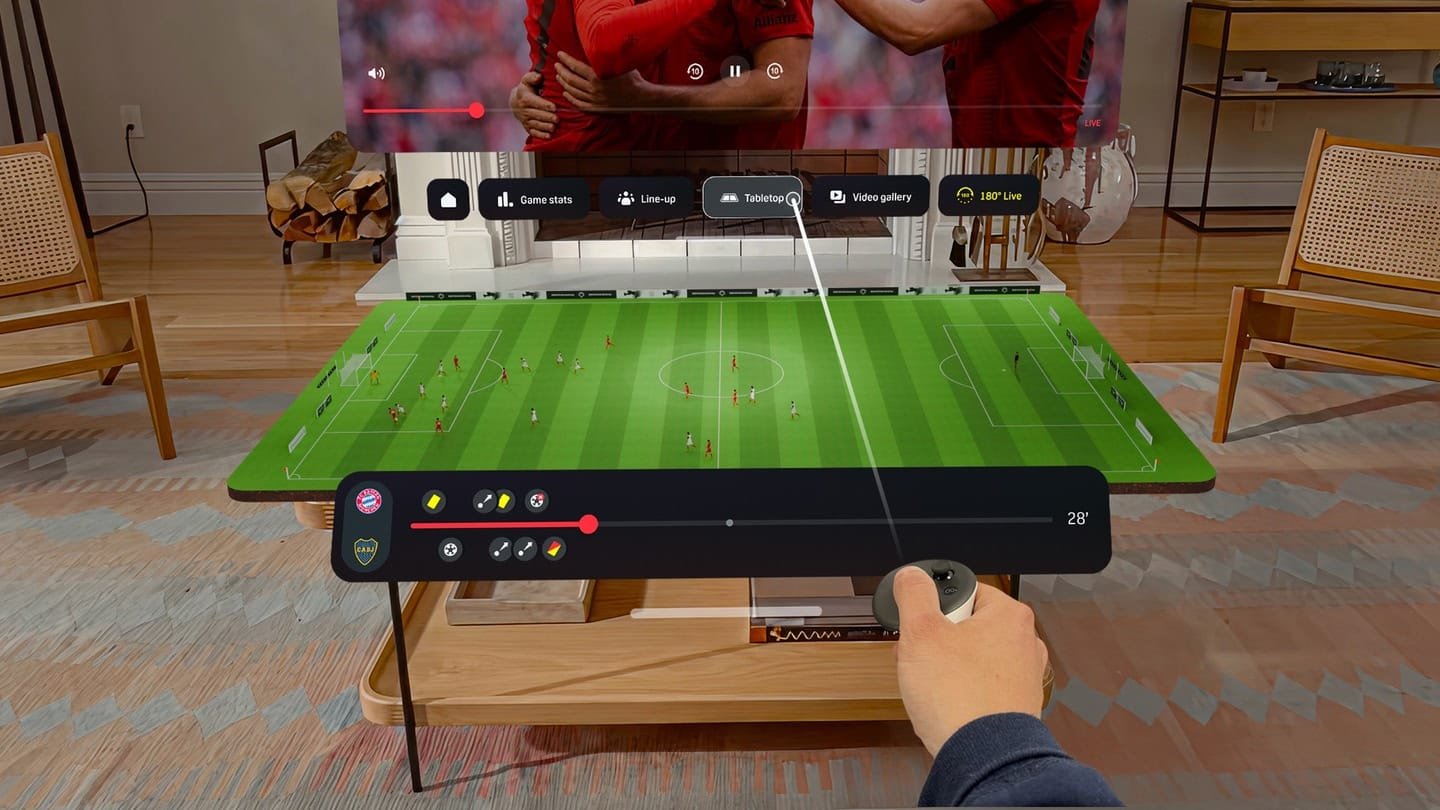
As live sports use more and more sensors and tracking systems that deliver data on every aspect of the game, we can now use this data in real-time to create live 3d alternative broadcasts that can either give fans an eagle eye view of the strategic play, an in person experience of seeing the action from within the pitch, to even a ‘god mode’ type experience where they can start to modify many different aspects of the game. All of this done in XR from the comfort of their own home, either alone or as a shared experience with other participants wearing XR headset in the same place or connected remotely.
On one side this creates immersive ‘watch parties’ where friends are connected in the same space without having to be in the same physical space. As they watch the game on their individual tv screens, they all share the same tabletop alt-broadcast. This gives them an interactive platform to share ideas, discuss tactics and dive deeper into player performances together. These experiences are powered by the amazing live data we can get from tracking every detail of a live performance and become meaningful by hyper-personalising around each individual fan. One of the companies active in this space is DAZN, who launched its Meta Quest app for FIFA World Cup viewing in collaboration with augmented reality developer Immersiv.io.
The more data we can gather from a live performances, leveraging the new tracking technologies and AI analytical tool, the more we can play with how that live performance can transform into what engages different audiences. Disney for example, took the live data from football and created a digital simpsons-themed broadcast. Turning every player into a Simpsons character. These takeovers are great ways to engage new audiences, who have previously not shared any interest in the sport.
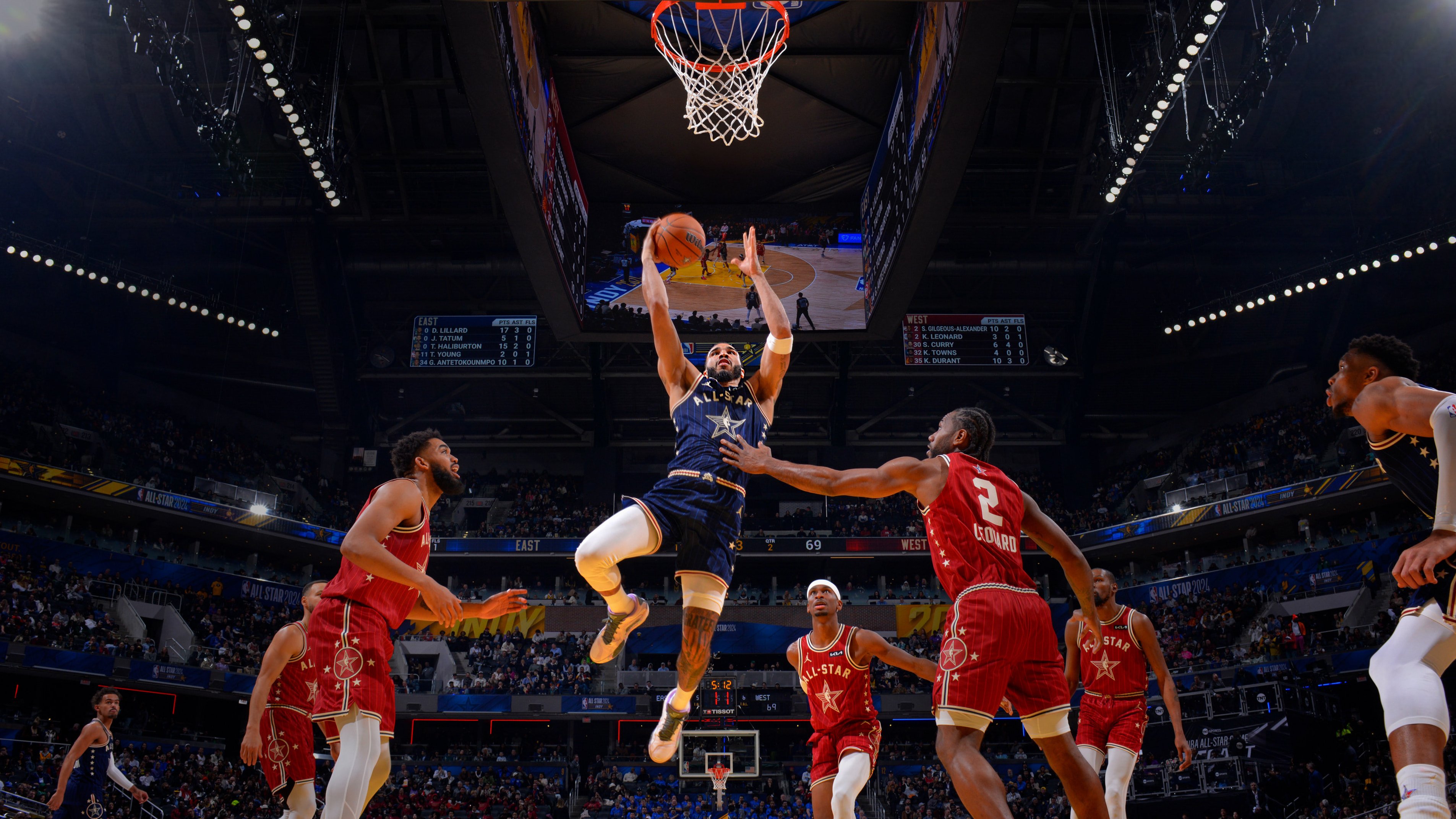
New ways for fans to feel part of the game have been developing over recent years, such as when the NBA added the feature to their app that allowed fans to digitally possess a live player, adding themselves to the game. Although it’s a bit of a gimmick and these experiences are activations with a short lifespan, what they do show is the direction of personalised live sports.
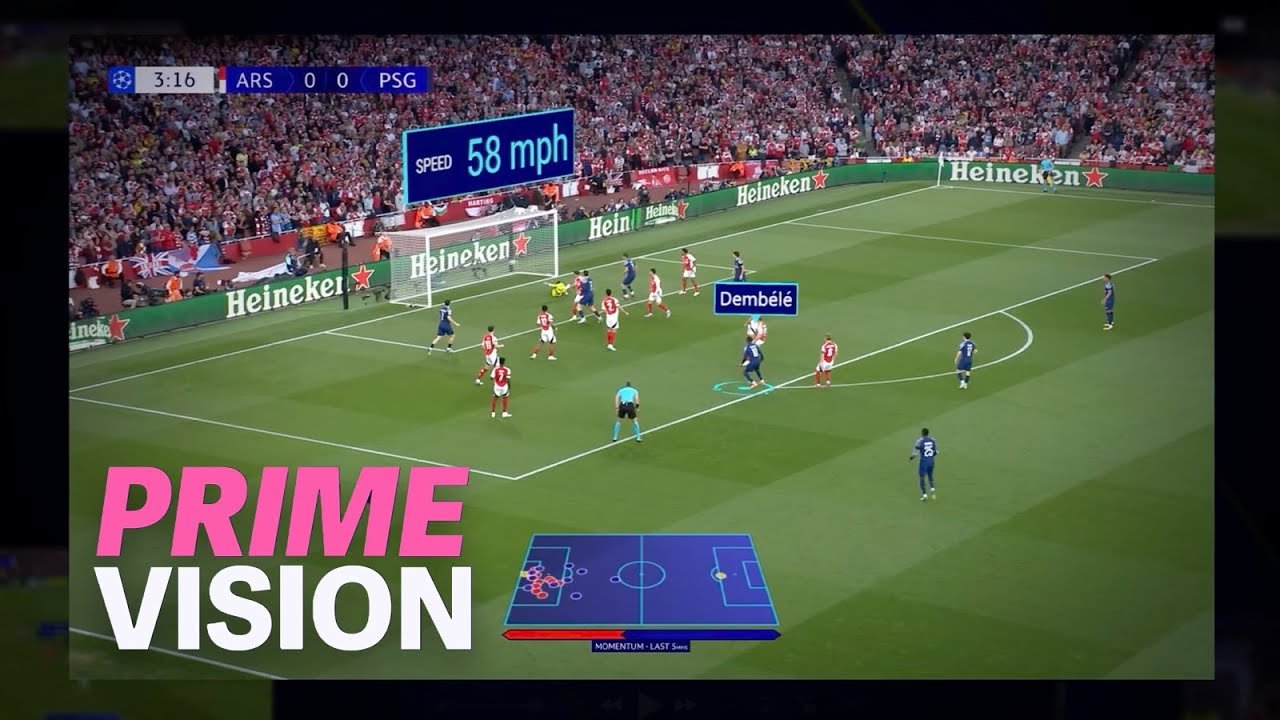
Gamers should obviously not be an overlooked audience group, with 90% of Gen Z being gamers, this will also influence how they experience live sports. NFL’s latest and biggest fan-engagement story was not on the filed - it was about bringing the field closer to the screen. Amazon’s Prime Vision feed gave fans a gaming-style “All-22” view layered with real-time overlays: blitz alerts, pressure probabilities, player names, coverageID’s, even fatansy-relevant data. For young audiences growing up with gaming, this is not just a gimmick, it is why 7)% of viewers who try prime vision say they prefer it. It taps into the Twitch and Discord community behaviours, reshaping how live broadcast is experienced by being more data-led, interactive, personalized and community-driven.
The stories surrounding an athlete - their personality, their actions and their social behaviour - form the emotional connection audiences build with live sports, making the event more impactful because they care more about the individuals. Since these athletes are struggling to balance their profession with their social activities, we are seeing more digital versions of them emerging. This will make their personality more accessible.
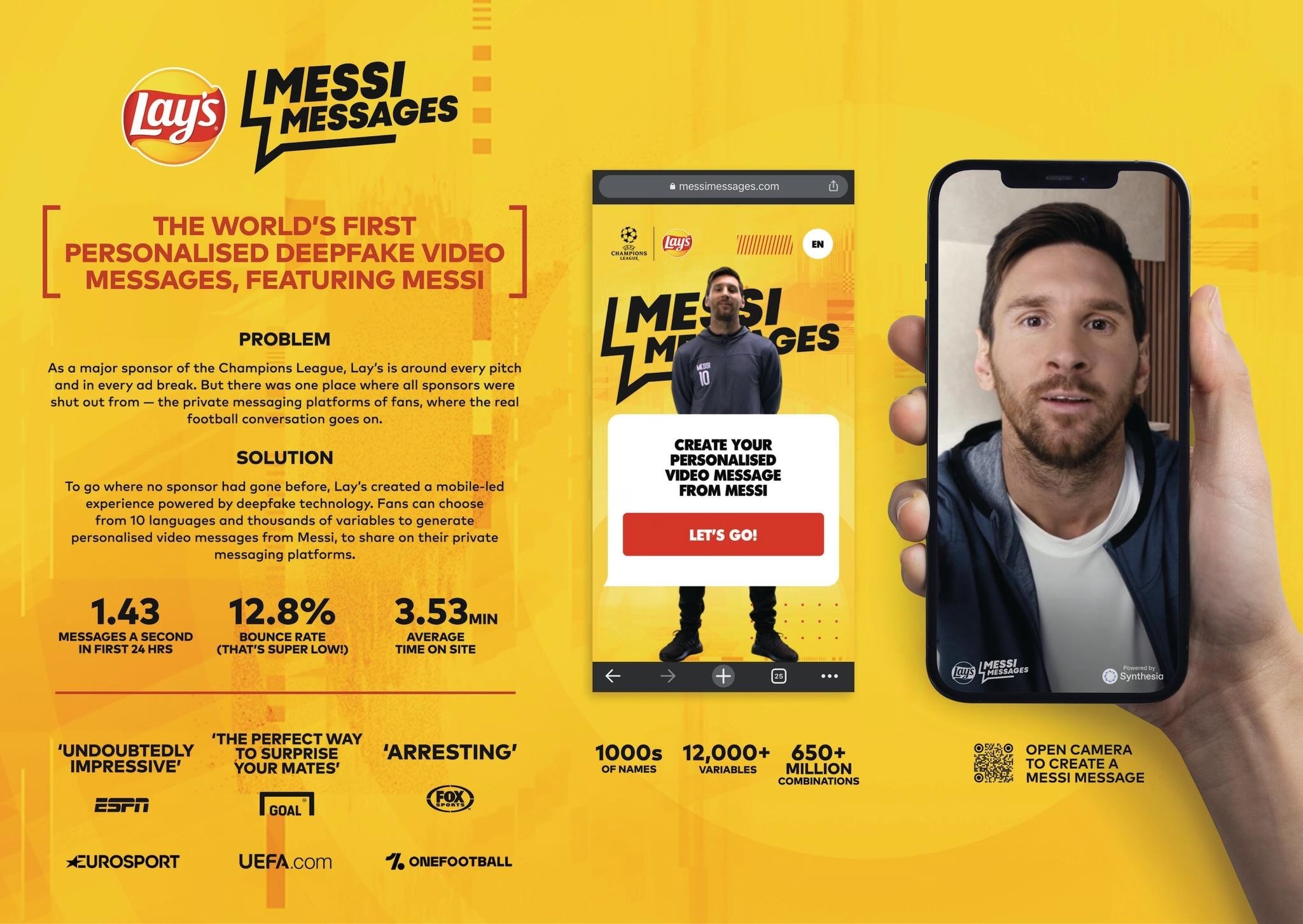
We used deepfake technology and LLM AI to give fans the opportunity to speak with their idols, crafting personal moments between fans and athletes. An example I did was ‘Messi Messages’ when I was the Head of Creativity and UNIT9. It was an award-winning campaign where fans could send their mates a personalised message from Messi.
These real-time based digital twins can be used to create more promotional materials, ads and other linear content without annoying and interrupting the training routine of the athlete. Making this very interesting for brand collaborations. When I was the ECD of the Experience department at The Mill, we worked with Uncommon Creative Studio and EA Sports to create a real-time Haaland experience, an unforgettable fan moment for the FC 24 launch event. We built a fully interactive real-time model of the biggest football star on the planet and then unleashed him on hundreds of unsuspecting football fans. Erling Haaland said himself: “it looks exactly the same!” Backstage, digi-Haaland is puppeted by a professional dancer wearing a mo-cap suit, reacting to audiences interacting with the CG avatar.
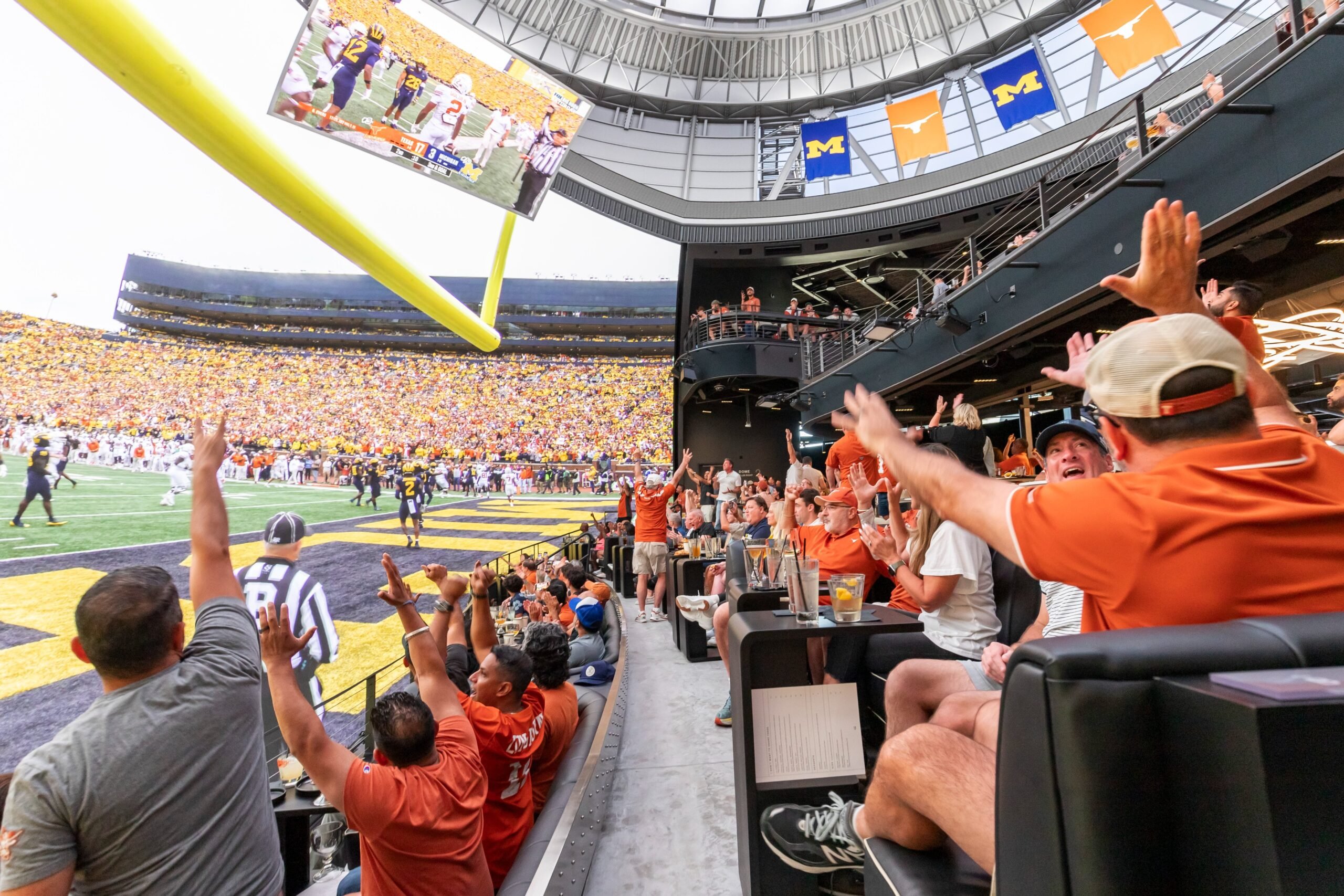
These experience venues for football, soccer, tennis and basketball try to replicate the spectacular atmosphere inside the stadium with the addition of the broadcasting multi-angle action cameras. Combining atmospheric immersion with more performance-focused live insights.
Although these viewing experiences integrate contextual f&b, they are still screen based and the aim - although very impressive when the first audience POVs hit our social feeds - to replicate the memorable stadium experience, might not be reached for most fans, as it falls short of the complete journey of going to and experiencing all aspects of a stadium.
The emotional connection to a club can not be felt more intensely than inside the stadium, so stadiums are investing to extend that experience beyond the stadium bowl by giving fans control over how they want to explore some of their captivating stories. From virtual tours, to reliving historic moments through XR and merch personalisation experiences, the stadium’s transformation to become the home for fandom encompasses all aspects of bringing fans closer to the game, its athletes and the lifestyle that surrounds it.
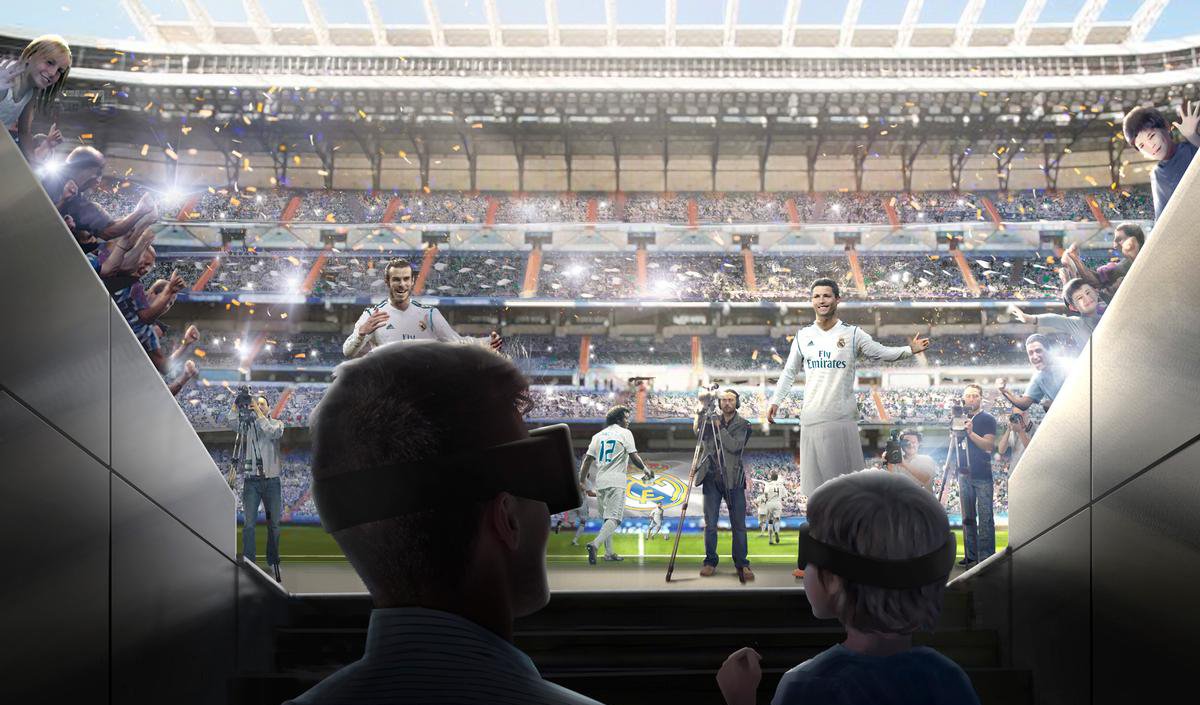
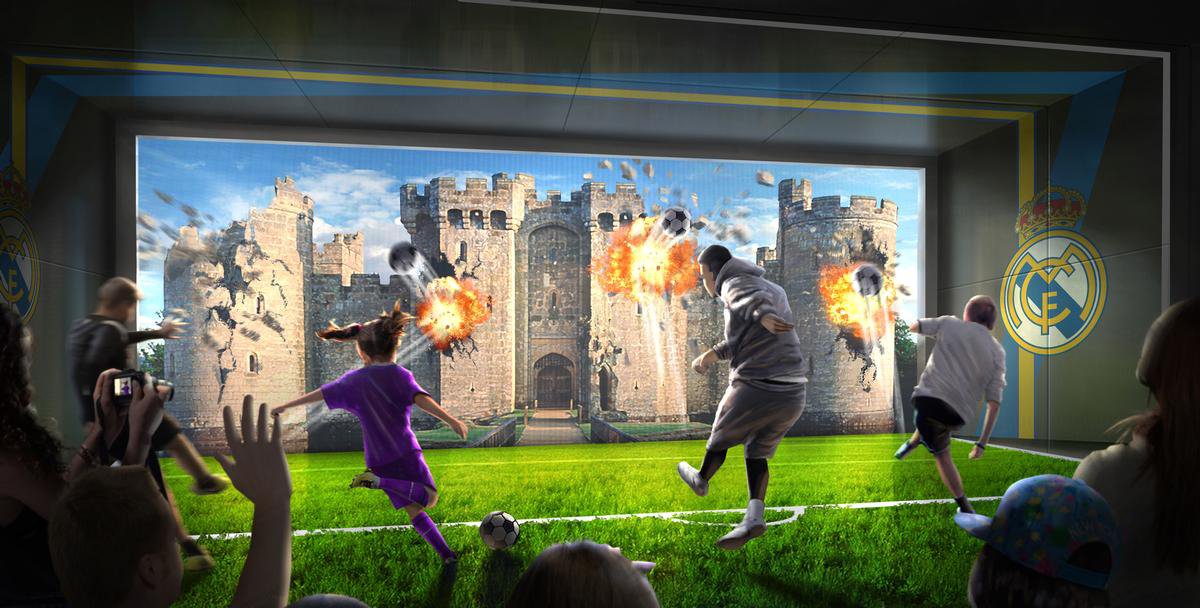
These are some of the concept artworks shared on blooloop about a previously planned attraction in China for Real Madrid. The IP massively extends off the pitch, allowing visitors to play with or against their digi-heroes, replay an epic moment from the past, experience what it feels like to be in front of 70,000 roaring fans, and potentially starring in a personalized career-mode journey that merges gaming with hospitality.
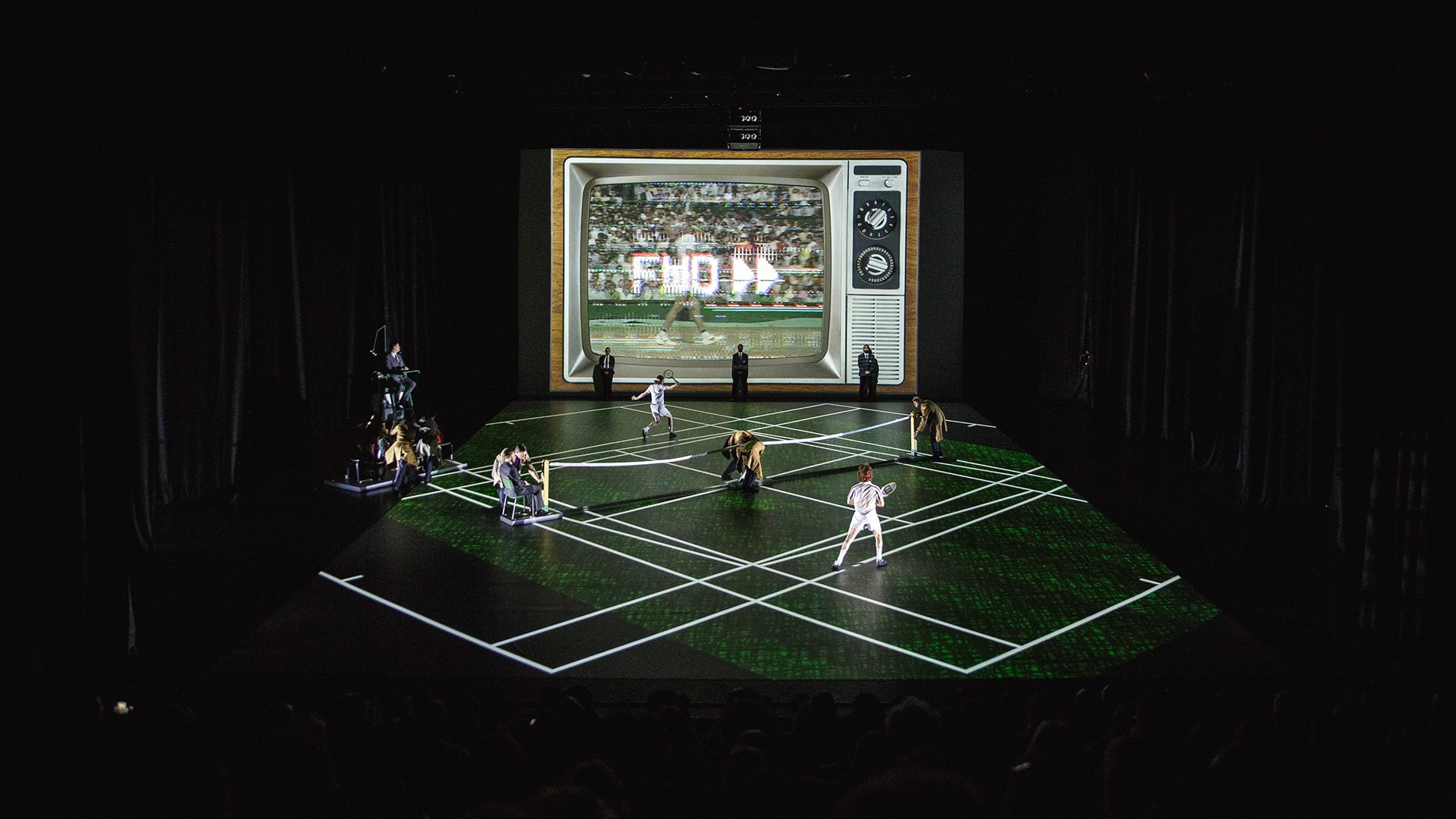
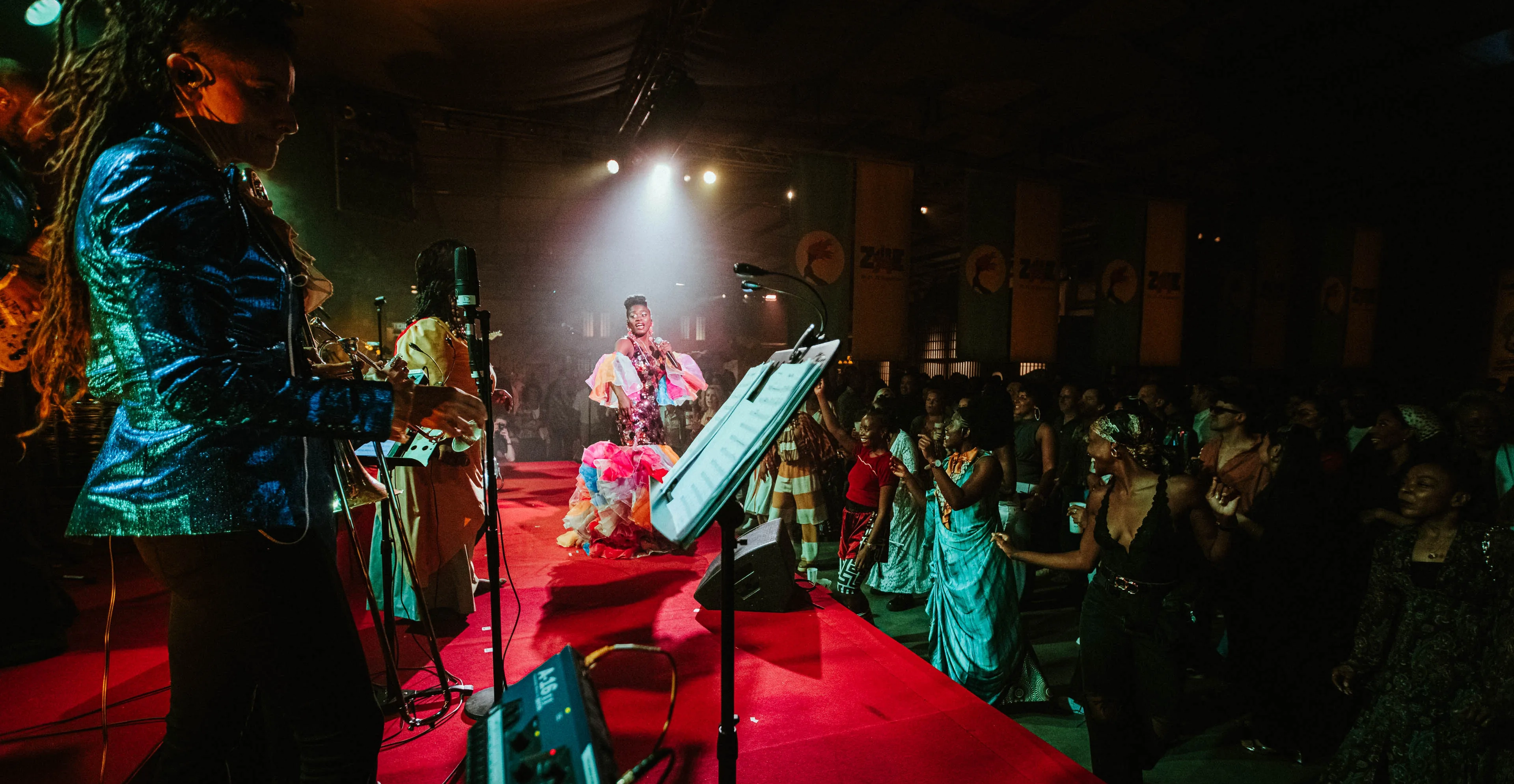
Travelling through time to revisit some of the world’s best sporting moments can only be achieved when we design a place that merges digital with physical theatrics, themed music with food & beverage, and fashion with scenography. Such places manage to transcend reality and transport visitors to a multi-sensory spatial zeitgeist.
Link to event page here.
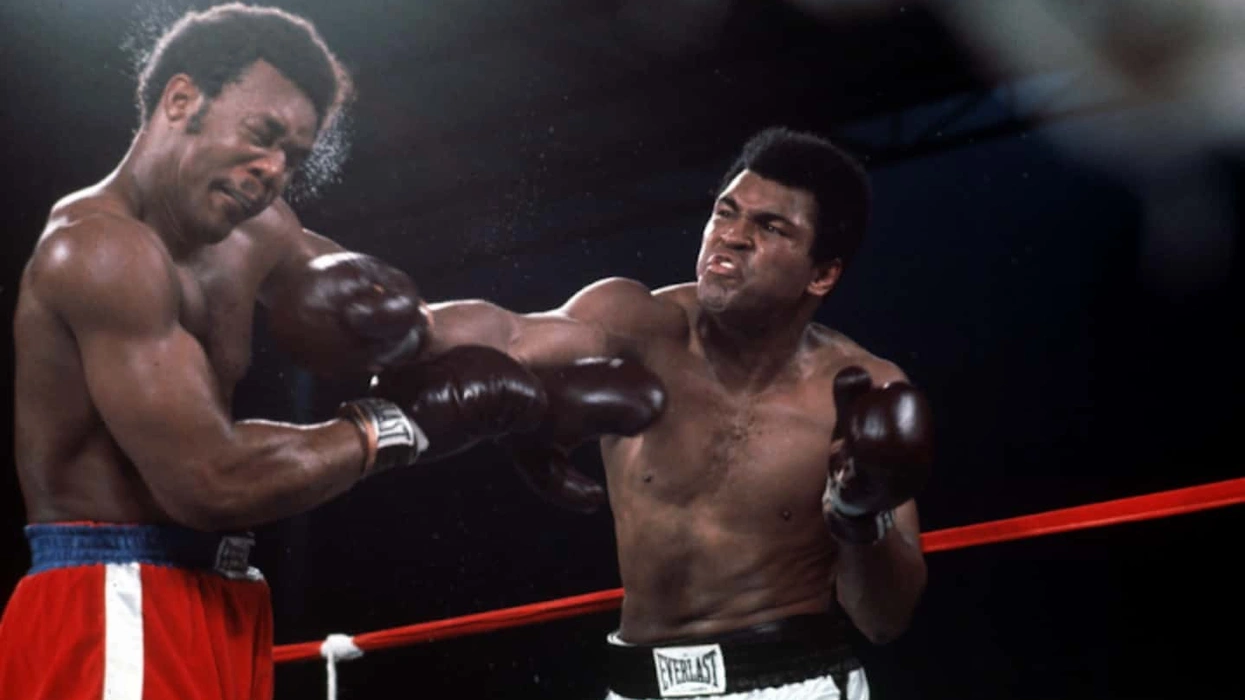
Such immersive events were the ‘Rumble in the Jungle’ and ‘Wimbledon Rematch’ held in London.
Although these experiences are impactful and are hugely rewarding for people who engage more actively, the business model behind suffers from the heavy reliance on actors. This is where a different - more digitally led model - could proof to be more profitable, while not sacrificing the visitor experience.
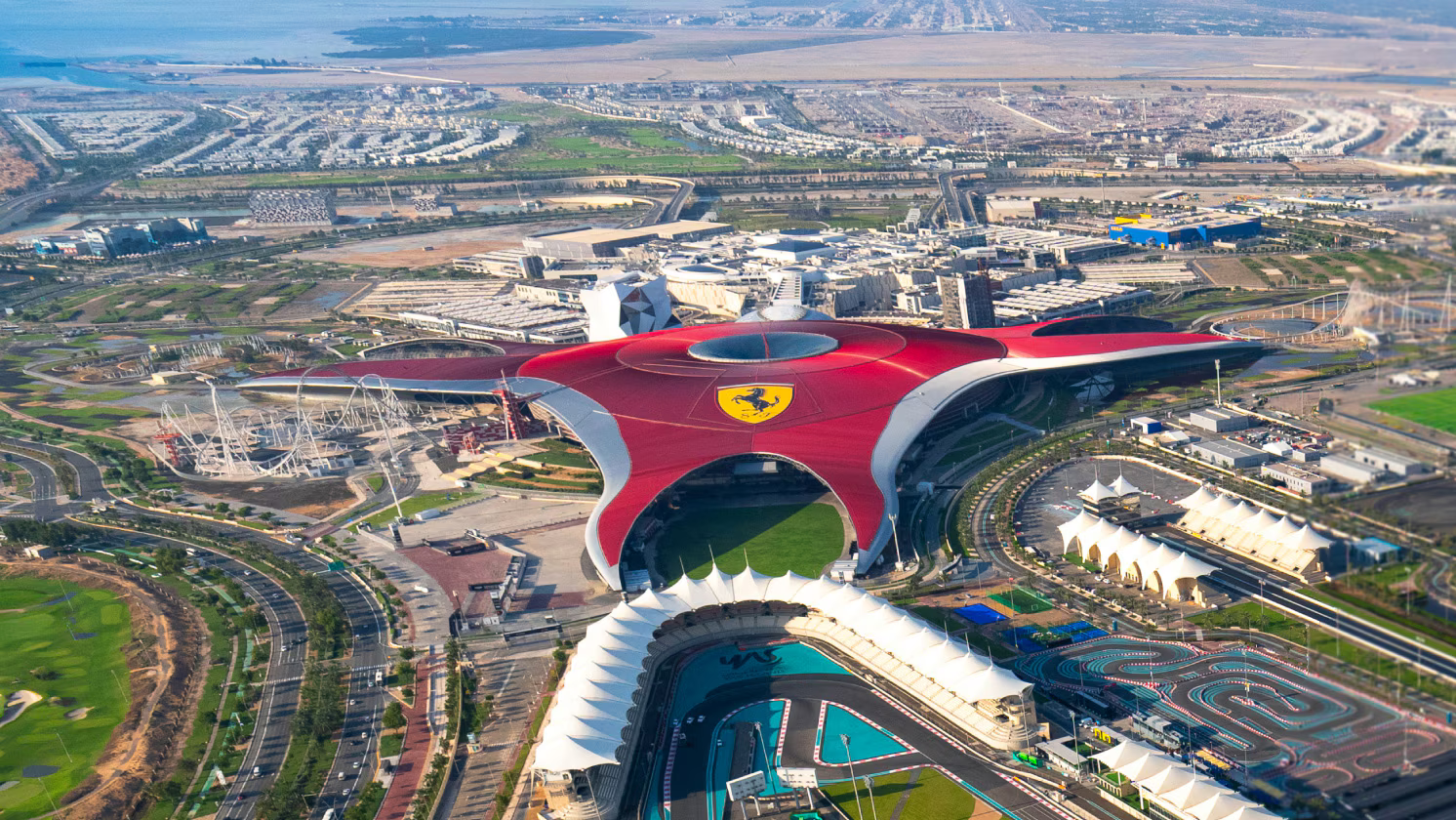
For decades, sports fandom was largely a passive, geographically constrained exercise. You sat in the bleachers, or you sat on your couch. But immersive attractions are dismantling that binary. The pioneer of this space, Ferrari World in Abu Dhabi, proved that you could take the feeling of a sport—the adrenaline, the speed, the heritage of Formula 1—and translate it into an interactive, multi-sensory physical destination.
Not every racing enthusiast can secure paddock passes in Monaco. Immersive attractions create accessible, alternative "meccas" for global fanbases to gather and celebrate their passion.
Modern audiences—raised on gaming, virtual reality, and interactive media—demand agency. They don't just want to watch athletes perform; they want to feel the physical exertion, test their own reflexes, and step inside the narrative of the game.
Following the blueprint of Ferrari World, Dubai Parks and Resorts launched Real Madrid World. (While some UAE parks saw temporary closures in early 2026 due to regional safety precautions, the concept itself represents a massive paradigm shift).
The idea is to treat a sports team like a cinematic universe. It features interactive games, football-themed roller coasters, and immersive rides based on the "winning spirit" of the club.
Sports brands are recognizing that their intellectual property is just as potent as Disney's or Universal's, fully capable of anchoring multi-million dollar physical destinations.
Theme parks and immersive venues provide year-round revenue and engagement. They are untethered from the unpredictable nature of sports schedules, off-seasons, or a team's win-loss record.
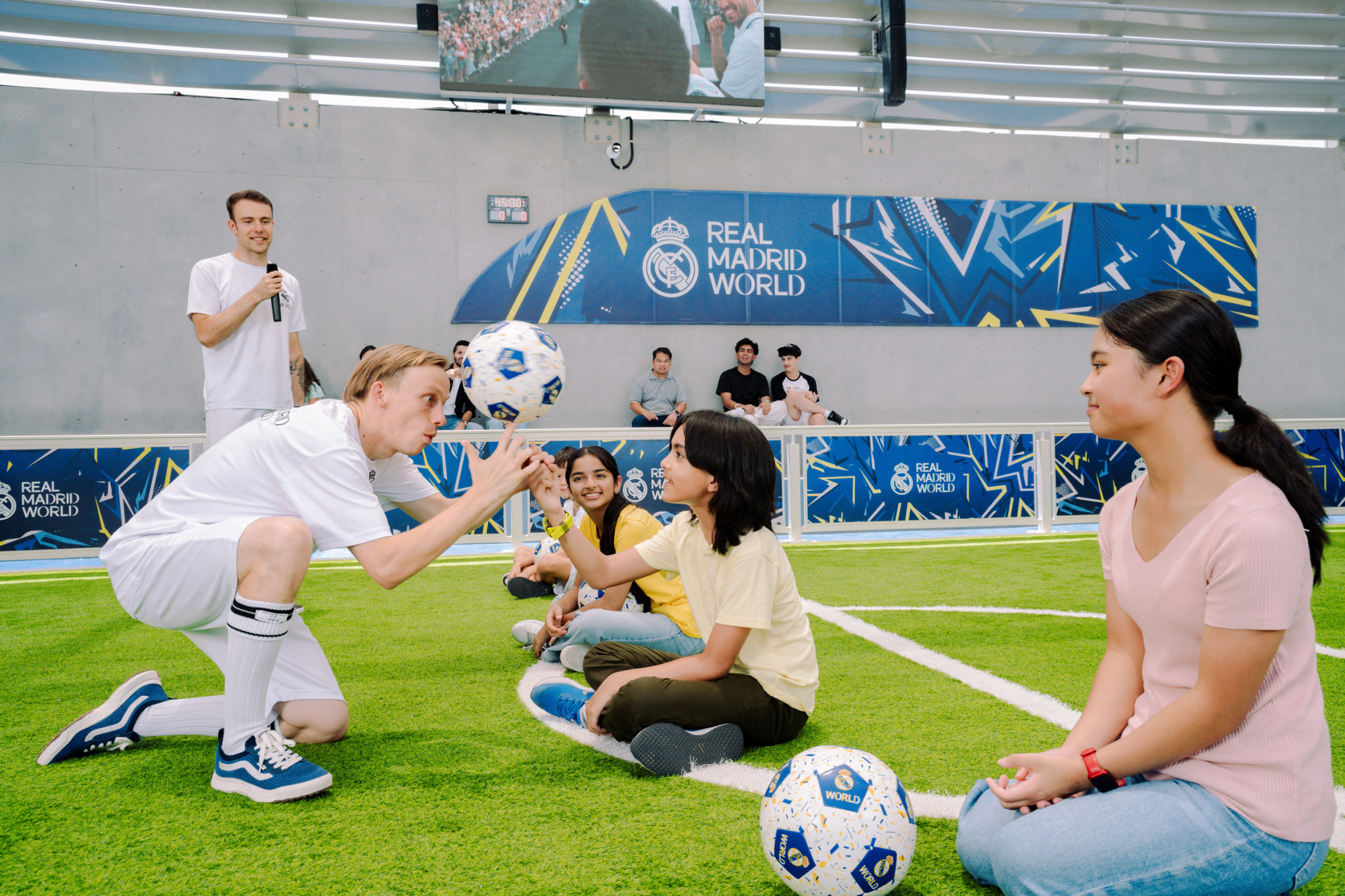
Live entertainment is increasingly about making the fans break a sweat themselves.
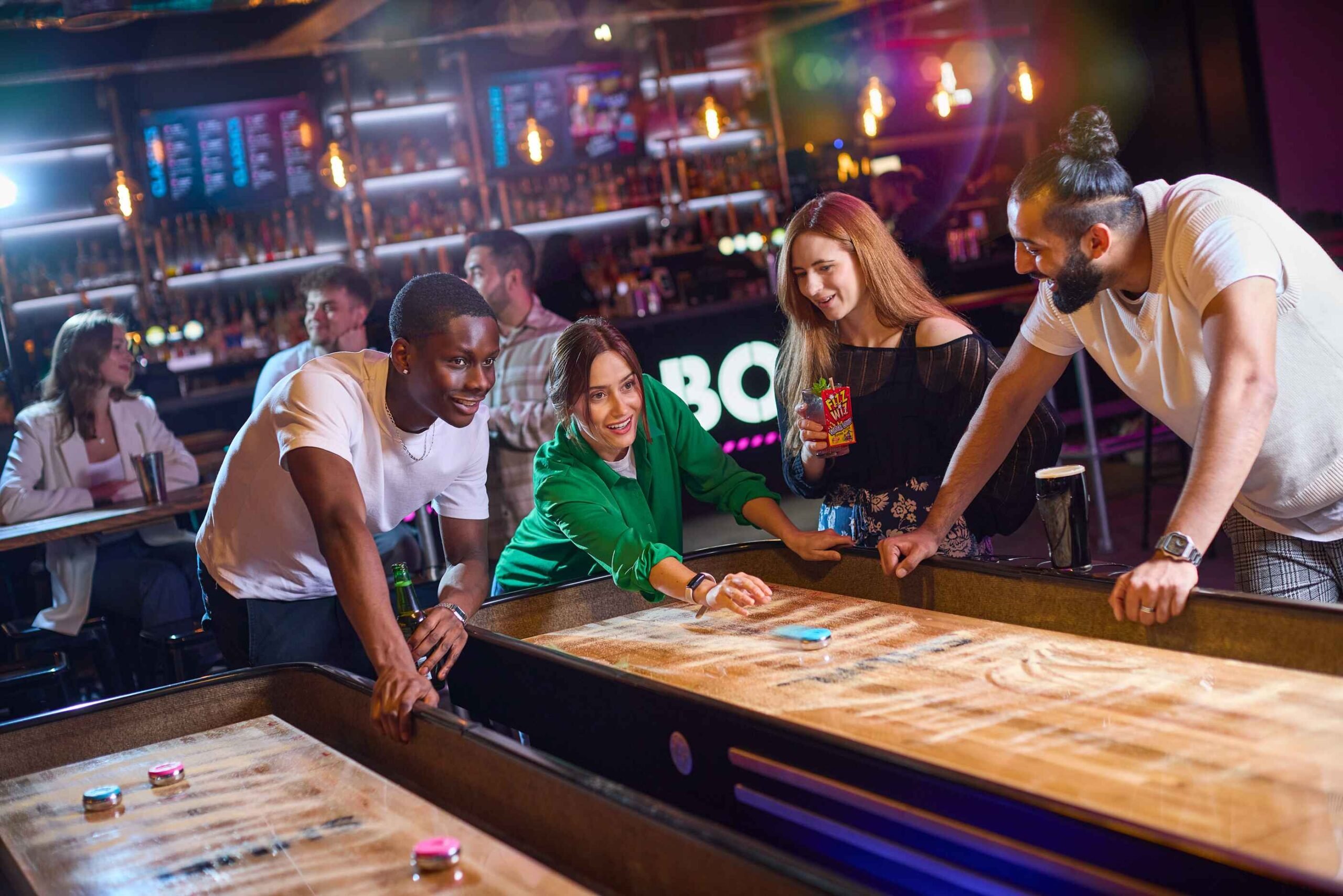
Play against your favourite athlete, or become them. A space for friends to meet, socialise, and most importantly compete or team-up at playing competitive games. It is growing in popularity as gen z and others are drinking less and are looking for health conscious fun alternative to spend their free time with friends in third spaces that can deliver. Such places include:
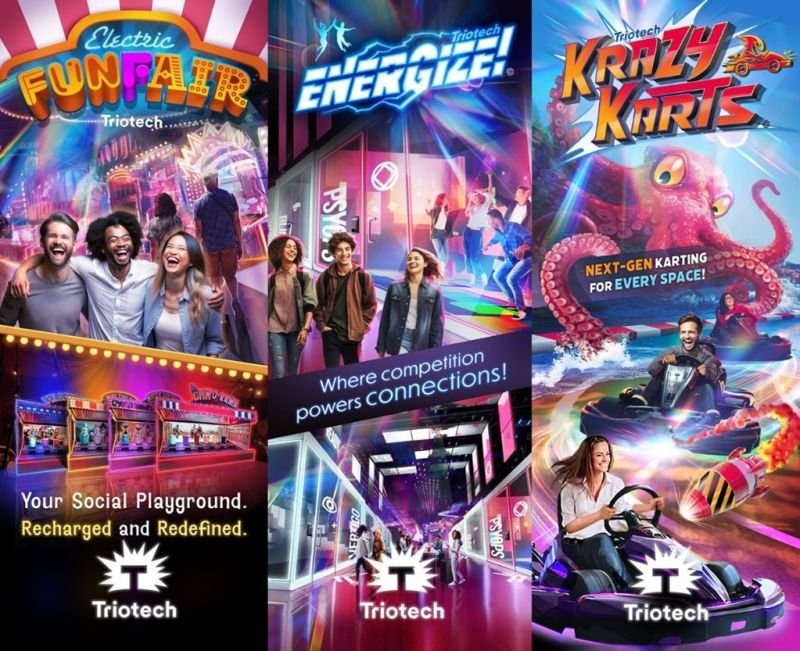
Triotech's 2026 Triple-Bill: Launching in Montreal in the summer of 2026, concepts like Krazy Karts are using dynamic mapping to blend physical go-karting with video-game elements. Players physically drive while dodging augmented-reality obstacles and triggering power-ups.
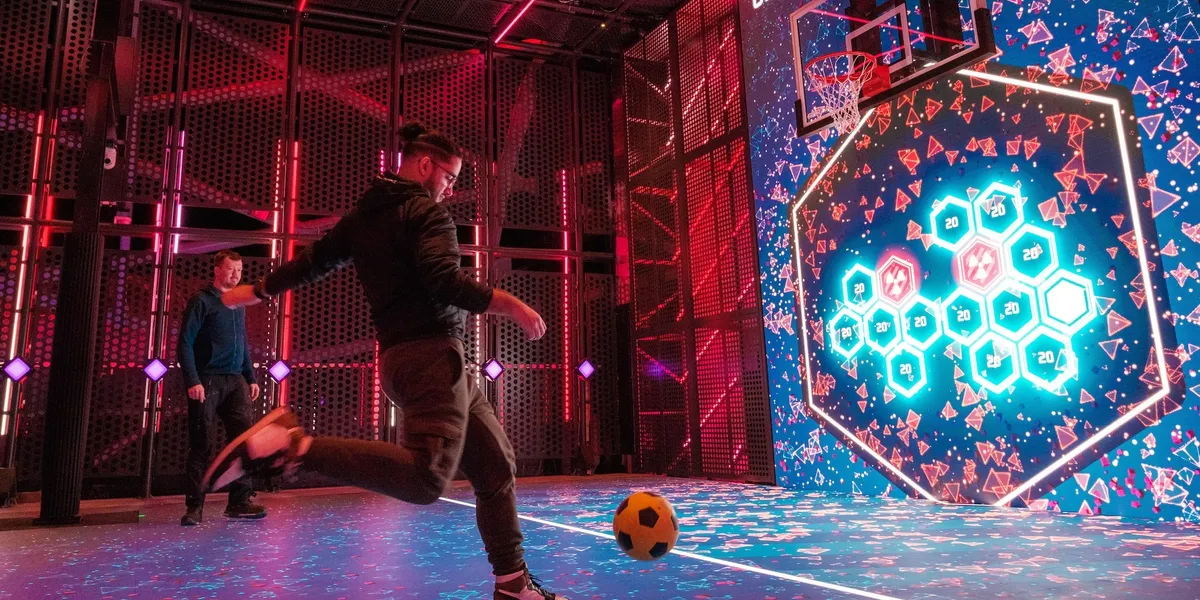
The world's first interactive LED sports court, Glow Court, is on Deck 20 of Norwegian Cruise Line's new Norwegian Aqua. The venue utilizes advanced tracking technology alongside LED walls and floors to create immersive media and gaming environments. At the simple press of a button, the multi-purpose space can instantly change its layout, transforming from a basketball court into a football pitch in moments.
Link to Blooloop article page here.
Battle Bar: After drawing massive crowds at IAAPA 2025, this competitive attraction—where players are harnessed 20 feet in the air for intense pull-up battles—is expanding across European venues in 2026. It taps into the active entertainment market, proving that sports fans want to compete, not just consume.
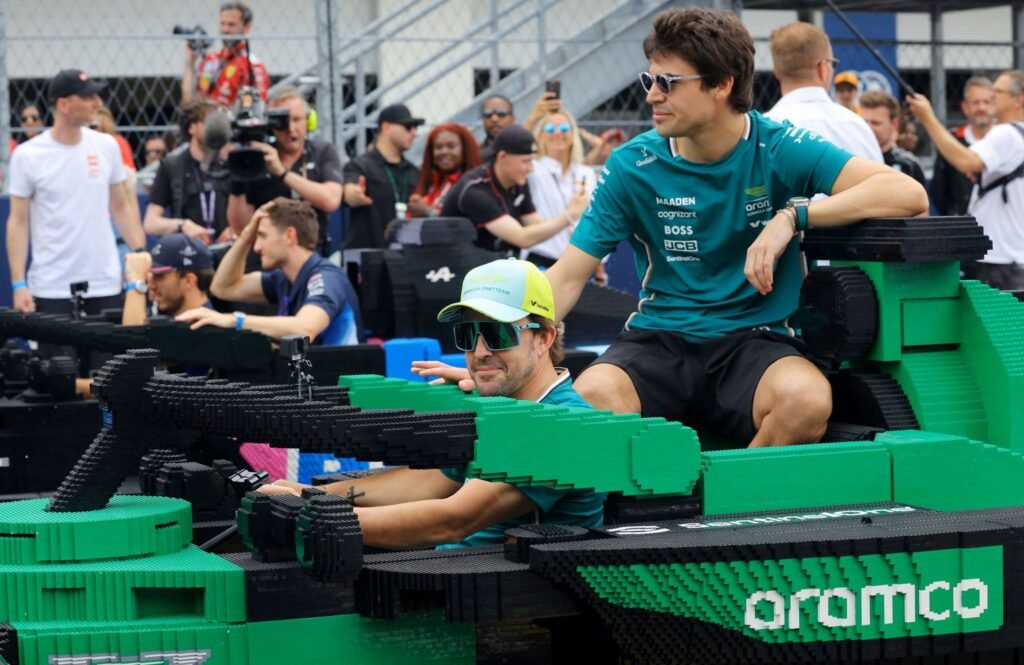
When I was attending SXSW London in 2025, I was listening to Julia Goldin (Chief Product & Marketing Officer at LEGO) speaking with Emily Prazer (Chief Commercial Officer at Formula 1) about how to build immersive and relevant experiences for your audience.
Their collaboration resulted in a live event where F1 drivers were racing each other during the Drivers’ Parade with 10 fully driveable F1 cars. For the first time ever, all 20 F1 drivers took a lap in their LEGO counterparts, celebrating a growing partnership aimed at bringing fun, family-focused moments to the race calendar.
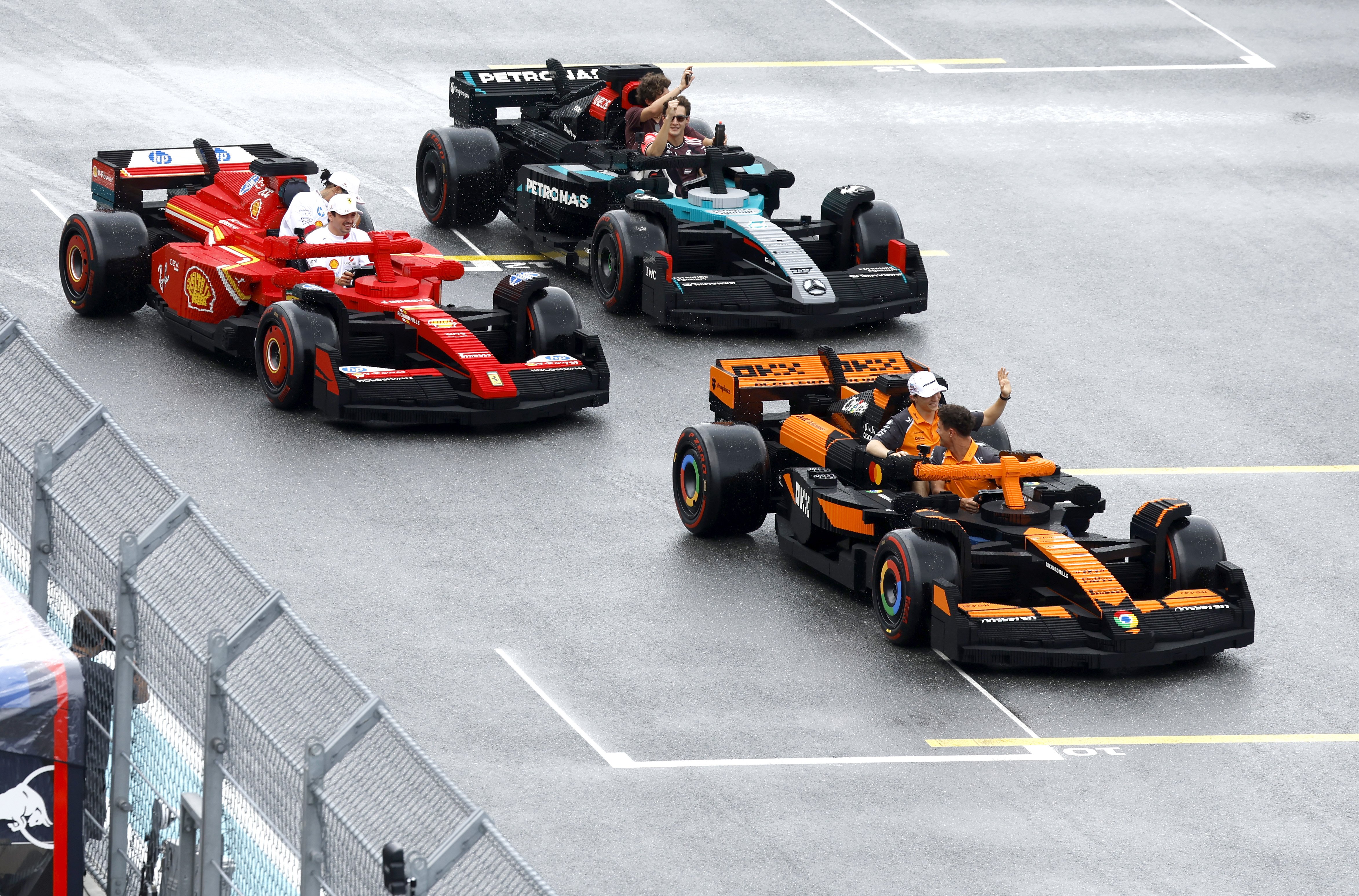
What I found most interesting here was that the driver's were not supposed to race each other, but because of the nature of the LEGO product - that being PLAY - they couldn't control themselves, which resulted in a very natural and authentic experience for fans to witness... also resulting in a lot of LEGOs scattered across the race track.